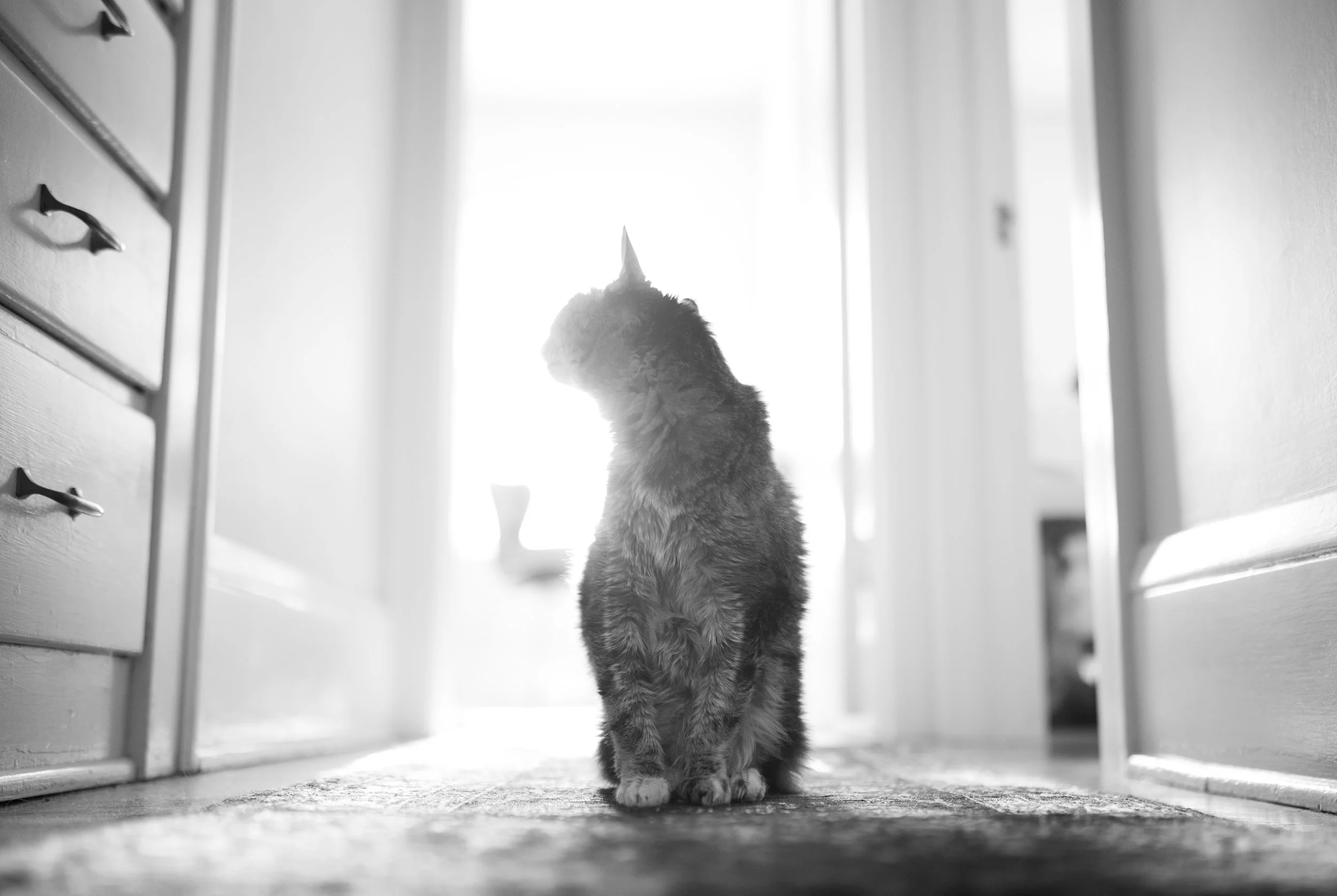
“How lucky I am to have something that makes saying goodbye so hard.”
— Winnie-the-Pooh
When my kids were 5 and 7, we brought home two kittens, littermates from a foster family. The kids named them, and Mew was confident and adventurous. Flitter was afraid of everything — including my daughter, who was herself afraid of cats. Of course, over time, they became the best of friends.
Mew and Flitter were present for every stage of my children's growing up — every celebration, every hard moment, every quiet evening. They were caught in the middle of laughter and tears, and my kids recently told me how many of those tears the cats had held with their wide eyes and unconditional love. So many private feelings were shared with their faces buried in fur. As Elizabeth Barrett Browning wrote of her beloved dog, "His ears were often the first thing to catch my tears."
What pets give us
"Until one has loved an animal, a part of one's soul remains unawakened." — Anatole France
The bond between a child and a pet is a remarkable thing. Animals teach empathy and responsibility in ways that can't be manufactured. They offer a non-judgmental presence during the years when judgment feels like it's coming from everywhere. And research shows the comfort of a purring cat or a warm animal body beside us genuinely calms the nervous system, lowers blood pressure, and eases the fight-or-flight response. Pets anchor us to routine, to meaning, to something that simply needs us.
After my kids left for college, Mew and Flitter became my substitute children, helping me navigate the particular ache of an empty nest. For many of us, our pets are our children — and when we lose them, we lose not just companionship, but a piece of our daily identity and sense of purpose.
Two years ago, Mew became very ill at sixteen, seemingly holding it together with a brave face until he simply couldn't. After we said our tearful goodbyes, we watched Flitter carefully. She seemed confused and off-balance for about a week — adjusting, as we were, to the physical absence of him. And then she expanded. Flitter elevated herself from the princess of the house to the queen, taking up more space and attention than we would have dreamed possible.
Two weeks ago, we said goodbye to Flitter. She had lost weight, likely due to cancer, and though she remained affectionate — demanding belly rubs and staying close by, I could no longer comfortably leave her with a sitter when I traveled. A difficult decision had to be made, and we were fortunate to have a veterinarian come to our home, where Flitter felt safe. She was having a good day, and she marked up the vet's backpack with her signature enthusiasm. I was holding her in her favorite chair, while we admired her fluffiness and pretty face in bright light, when she peacefully passed away.
The presence of absence
I felt anticipatory grief in the days leading up to her death, and then a palpable relief afterward. With the agony of the decision behind me, there was a knowing that Flitter was pain-free, happy, and sitting triumphantly on top of her brother again.
But the sense of physical loss that followed was enormous. The presence of absence is its own particular grief. Listening for them. Expecting them at the door. The empty space at mealtimes, bedtimes, familiar corners and closets of the house. Just as it takes time to bond with an animal, it takes time to adjust to their absence.
What I've learned — both personally and through my coaching work — is that pet loss grief is real grief, and it deserves to be treated as such. Research shows that losing a pet activates the same neurological attachment and grief responses as losing a human family member. Yet our society can minimize this loss, leaving people grieving alone because they worry others won't understand the depth of it.
Finding our way through
If you've lost a beloved animal, here are a few things that I’ve found helpful:
Talk or write about them. Share memories. Name all that you're missing.
Ask yourself what they taught you. Our animals are quiet teachers.
Create a small ritual or memorial — a memento box, a special place for their ashes, photos, or even a favorite bowl turned into a planter, as I did for Flitter.
Let others in. The thoughtful acknowledgments and empathy I’ve received from friends go a long way: "I know how much they meant to you and how much you're already missing him." A simple recognition of loss can make all the difference.
And finally, I felt gratitude. For the sweet animal who made me laugh, feel needed, loved my children unconditionally, and stayed at my side through eighteen years of life's changes. Goodbye, dear Flitter. You left paw prints on our hearts.
Have you said goodbye to a beloved pet? If you're sitting with loss of any kind and would like some gentle support, reach out — I'm here.
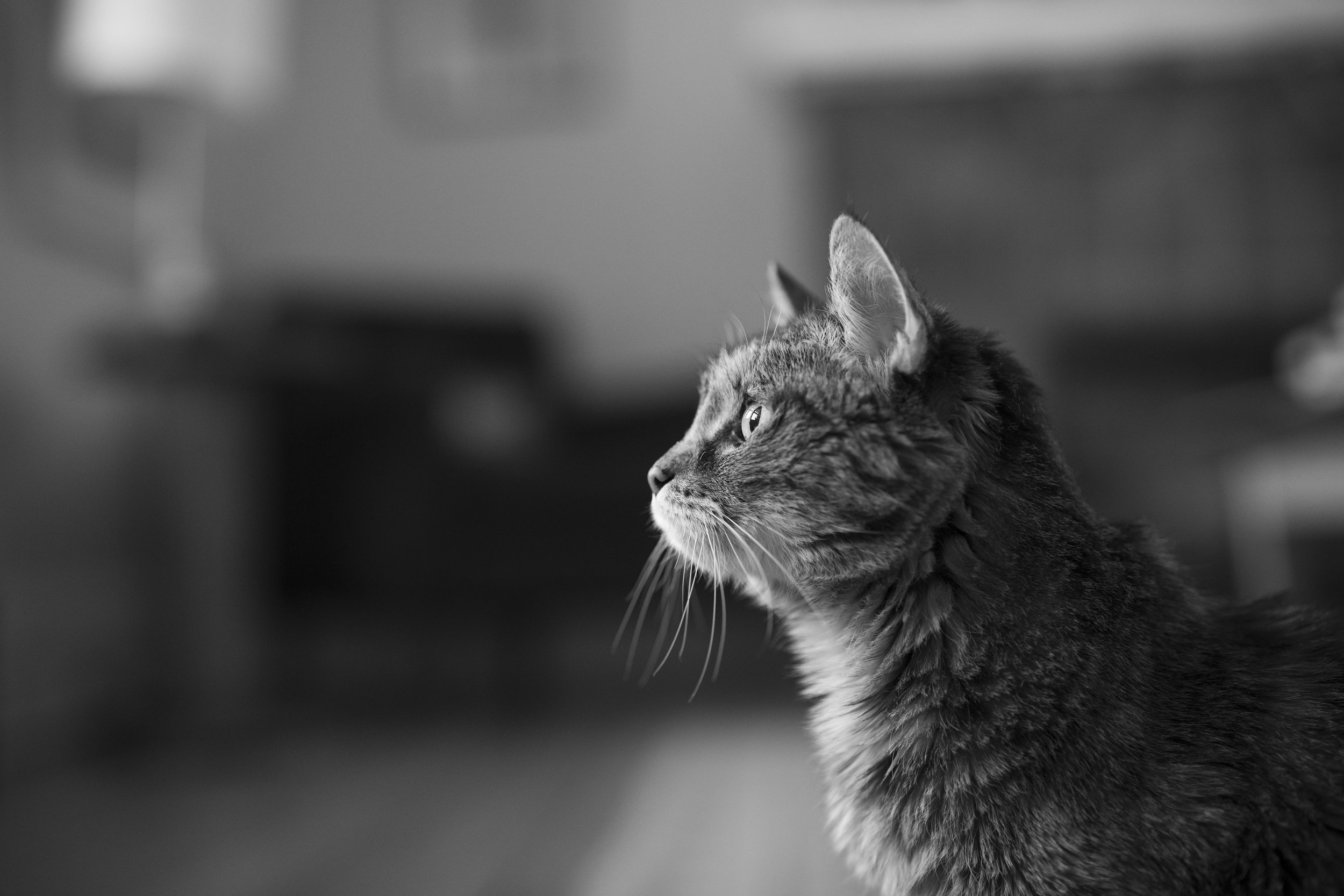
Photos of Flitter on her last day of life by Jeff Wheeler @jeffersonwheeler