The art of repair and healing
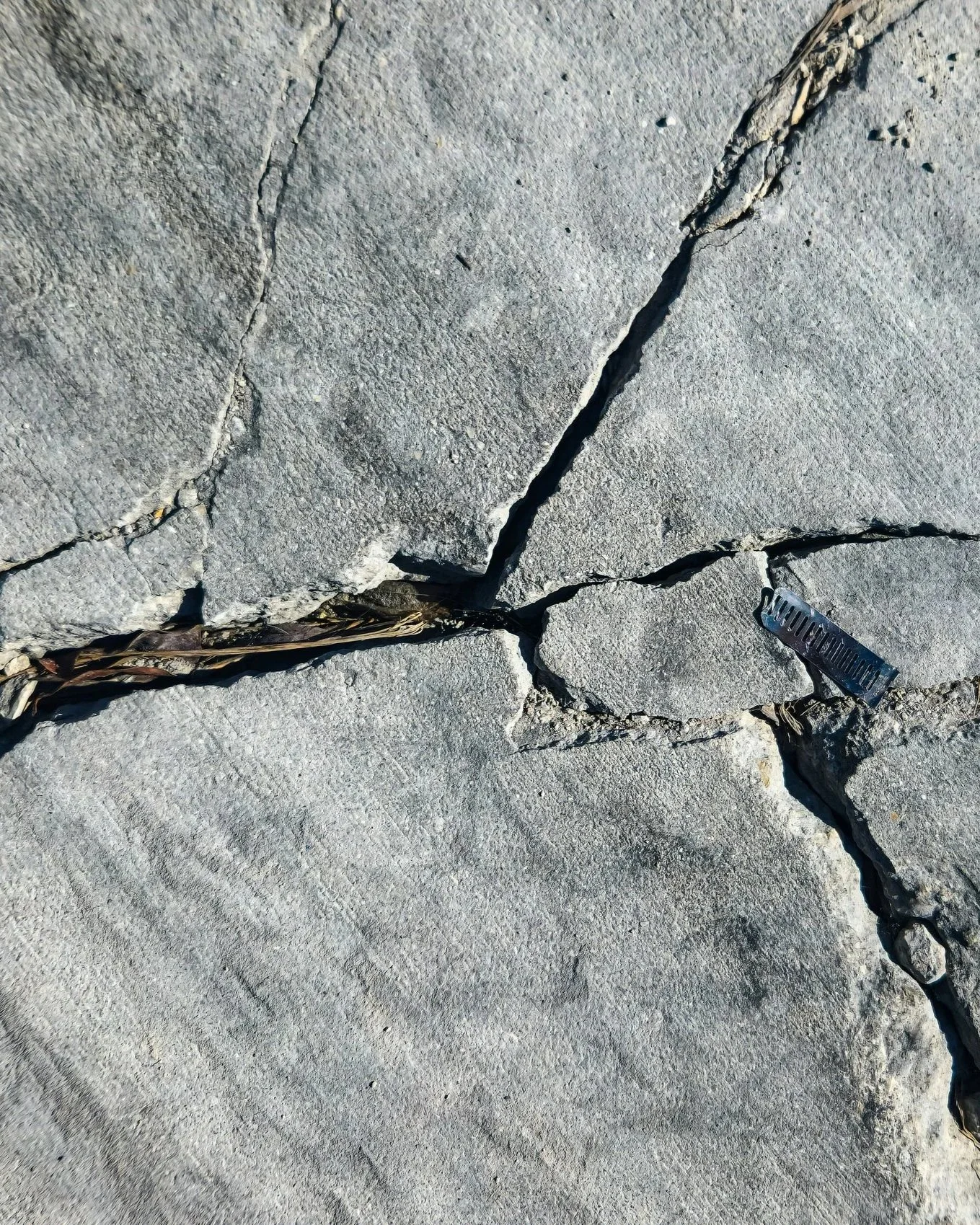
"The world breaks everyone, and afterward, some are strong at the broken places."
– Ernest Hemingway
Things break – plates, cups, cars, and bones. I fell on the ice twenty years ago and broke my left wrist. It was repaired surgically and quite beautifully, serving me well until I fell on ice again last winter. This time, it was far more complicated to both repair and heal. So it’s being repaired again this week, back with my brilliant surgeon at the Mayo Clinic.
When something bad like an accident happens, we desperately want to know how it happened, why it happened, and who was responsible. We want to know what we can do differently so that nothing like it ever happens again. Sometimes we get answers, and sometimes we don’t. That doesn’t stop me from asking all the questions.
Is my wrist my Achilles’ heel?
Having broken my left wrist twice (and admittedly my right one as well in another earlier fall), I find myself asking if my wrist is a hidden weakness, like an Achilles’ heel. Even though I feel strong in many ways, is this a blind spot or an unprotected place of vulnerability? Could this be, as his heel was for Achilles, the place where a meaningful transformation could occur?
I am asking what this time can teach me. Is it simply an unwelcome growth opportunity, or a chance to explore what it would feel like to let go of goals and internal pressures, to slow down, and surrender to the healing process? I feel ready to learn what will support my healing, and what might get in the way.
What is it to repair?
For healing to happen, repair must happen first. The dictionary definition of repair is to restore by replacing a part or putting together what is torn or broken. I like the idea of my wrist being restored, literally by putting the broken bones back together and adding parts to keep them there. It’s pretty straightforward, like gluing broken pottery back together again, or taking your car into the shop.
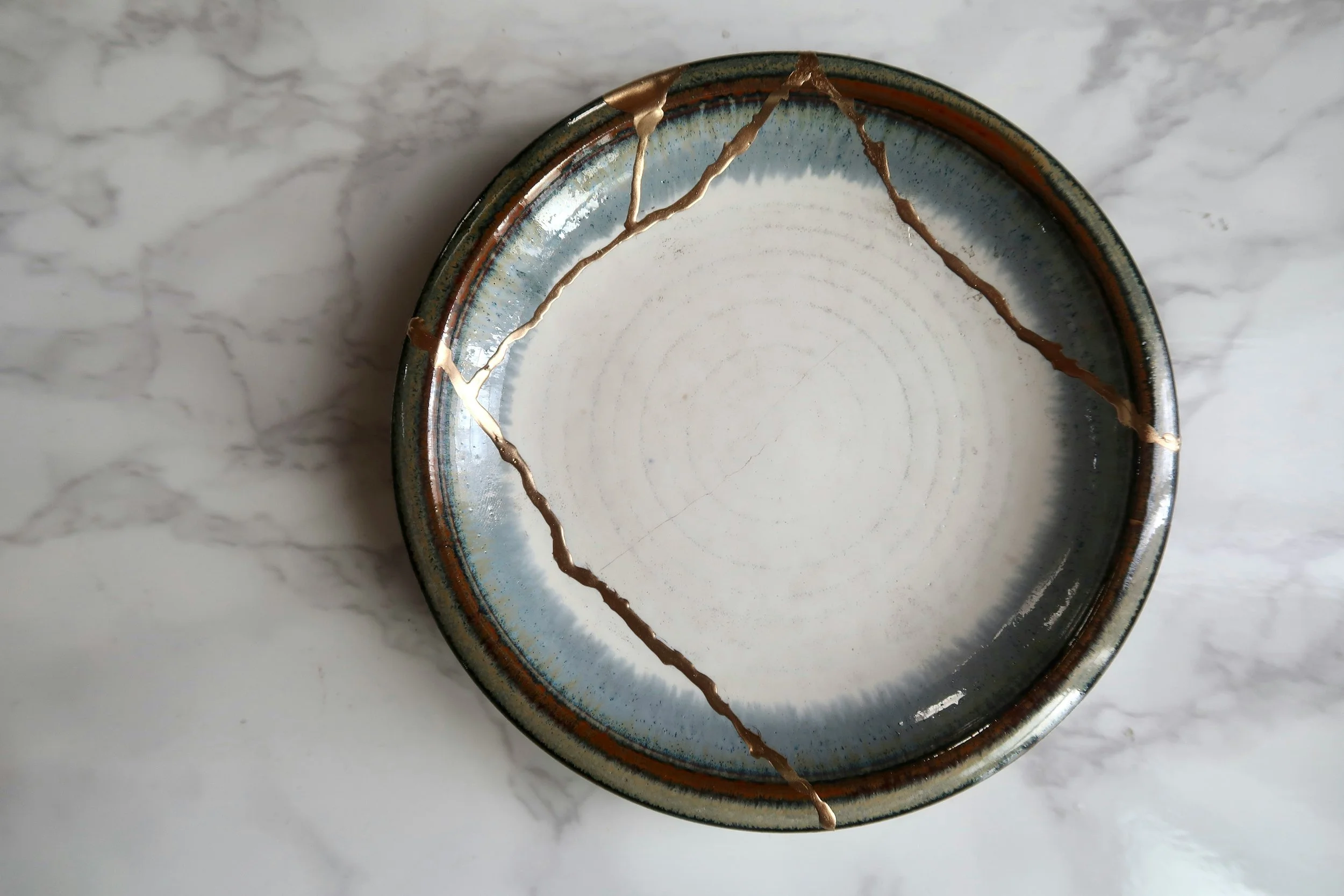
More elegant is the lovely concept of Kintsugi, also known as Kintsukuroi. Using special lacquer mixed with precious metals like gold, this traditional Japanese art embodies the philosophy of embracing imperfection. By highlighting breaks, cracks, and repairs, we can honor the events in the life of an object. When we find beauty in the wear and tear, we value it for the function it has served. Perhaps envisioning the broken bones of my wrist being filled with gold (instead of bone grafts) will help me accept the new state of my arm and honor the ways that it serves me.
In what other ways could we apply this concept to the broken aspects of our lives? In a relationship torn apart by anger and resentments, could the rifts be repaired and filled with memories of better times? In a job that ends prematurely, could Kintsugi help us let go of our attachment and fill the cracks of our sadness with the enrichment and wisdom of our experience?
Resting and Healing
After my fall last winter, I tapped into a sense of pride and independence and pushed through my setback with gritty determination. But this time, I am wondering how I might approach the healing process differently. Slowing down is something I believe supports the healing process, so I will be sinking into the idea that rest is beneficial, even essential.
When I think back to other hard times in my life, I can see where I’ve found resilience and strength to tap into. Thinking about the power of nature – the way that trees repair themselves, forests regenerate, and waves wash away debris – reminds me that we’re built to repair and heal. Perhaps I can trust that the energy of nature will help pull my broken bones back together.
I may choose to view this chapter in my life with the framework of the hero’s journey, tapping into my values, strengths, and allies, while transforming alongside the healing of my wrist. What I do know, and have learned from previous fractures and losses in my life, is that we’re stronger where we’ve been broken. With the image of gold mending my cracks, I will heal, just as we all heal from the ruptures and broken pieces of our lives.
Allowing and Receiving
A hero of mine, Hubert H. Humphrey, said, “The greatest healing therapy is friendship and love,” so I will be saying yes to the generous offers of help, food, and company I have received. It feels good to show up for friends in need, and I will allow mine to show up for me, with gratitude. I know how fortunate I am to have access to world-class care and the deep support of family and friends.
I’m curious — what in your life could use some healing? Where could the gold of Kintsugi help you heal, repair, and reframe? As always, I’d love to hear from you.
With warmth,
Wendy